Things to Do in Cayenne in April
April weather, activities, events & insider tips
Low Season · Budget Friendly
April Weather in Cayenne
Long-run averages for April
86°F (30°C)
High Temp
74°F (23°C)
Low Temp
17.4 inches (442 mm)
Rainfall
84%
Humidity
22
Rainy Days
14
Sunny-Day UV
⚠ Dengue risk climbs in April. Standing water breeds mosquitoes across Cayenne and surrounding areas. Repellent is mandatory. Long sleeves at dawn and dusk are mandatory. Know the early symptoms: sudden fever, joint pain. These precautions are not optional. They are essential.
⚠ Flash flooding hits low-lying Cayenne sections during intense afternoon downpours. Vehicles strand fast. Pedestrian crossings become fast-moving channels within minutes. Skip underpasses and sunken roads in heavy rain. Never drive through standing water of uncertain depth.
⚠ Atlantic swells and undertow strengthen in April. Unguarded beaches become dangerous. Stick to supervised areas. Ask locals about current conditions. Respect this ocean more than calmer coastlines demand. The water here does not forgive casual mistakes.
Making the most of April in Cayenne? Browse tours and activities in Cayenne on GetYourGuide.
Is April Right for You?
Weigh the advantages and considerations before booking
Advantages
- + Leatherback turtle nesting season opens in April along the beaches of Remire-Montjoly, barely 10 km (6.2 miles) from central Cayenne. Early-season visitors get a quieter observation window. The peak May and June crowds have not yet arrived for guided programmes.
- + The rainforest surrounding Cayenne hits peak green in April. Wet-season rains fill the rivers and swell the waterfalls near Roura. Wildlife pushes into the open channels of the Kaw Marshes. Spotting black caimans and scarlet ibises becomes markedly easier.
- + Tourist numbers are among the lowest of the year. The Iles du Salut, the Cayenne central market, and Kourou's space centre feel unhurried. They feel local rather than staged for visitors.
- + Accommodation rates tend to soften noticeably from the dry-season highs of August through November. April visitors gain more negotiating room at guesthouses and small hotels around Cayenne. Ask for discounts.
Considerations
- − Rain falls on roughly 22 of 30 days in April. Tropical bursts arrive suddenly. They are heavy enough to flood low-lying streets in Cayenne within minutes. Outdoor plans rearrange without warning.
- − Mosquito activity spikes with the wet season. Dengue fever is a genuine health concern along coastal French Guiana. Repellent, long sleeves, and vigilance are non-negotiable. These are not suggestions.
- − Atlantic swells grow rough enough in April to cancel an estimated one in four scheduled boat crossings to the Iles du Salut. Swimming at unguarded beaches carries real risk from undertow and rip currents. Stay alert.
Settled on April? Compare hotel prices in Cayenne for your dates on Trip.com.
Best Activities in April
Top things to do during your visit
Iles du Salut Historic Boat Expedition
The Salvation Islands sit roughly 15 km (9.3 miles) off the coast. The boat ride from Kourou, about 65 km (40 miles) northwest of Cayenne, crosses open Atlantic water. In April, that water tends to chop and heave with wet-season swells. That roughness is part of the experience. Ile Royale, where you'll spend most of your time, is a strange collision of tropical overgrowth and grim colonial memory. Crumbling stone cells wrapped in magenta bougainvillea. A chapel built by convicts who knew they'd never leave. The constant percussion of waves against volcanic rock below the ramparts. Devil's Island itself is visible from the shore but off-limits. The real weight of the penal colony's story sits on Royale and Saint-Joseph. You can walk through solitary confinement blocks open to the sky and feel the damp silence settle against your skin. April's overcast skies keep the islands cooler than the scorching dry-season visits in August. You'll likely share the trails with a handful of other visitors rather than the fifty who crowd them in peak months. The smell of salt air and wet stone is stronger here than on the mainland. The ruins have a humidity-amplified moss scent that stays with you.
Booking Tip: Book through operators departing from Kourou at least two weeks ahead. Confirm cancellation policies. April swells cancel roughly one in four scheduled crossings. Bring water and sun protection even on cloudy days. Check current excursion options in the booking section below.
Kaw Marshes Nighttime Caiman Expedition
The Marais de Kaw, a vast freshwater wetland about 75 km (47 miles) southeast of Cayenne, is one of the few accessible places in South America where you can reliably encounter black caimans. Some stretch past 4 metres (13 feet). April's rising waters work in your favor here. The flooded marshes open more navigable channels for the motorized pirogues that glide out after dark. Guides sweep spotlights across the surface to catch the red-orange eye-shine of caimans resting along muddy banks. The humid night air hums with a wall of insect and frog calls so dense it feels almost physical. That wall breaks at intervals by the heavy splash of something large moving through the reeds. Expect capybaras grazing the bank edges. Expect scarlet ibises roosting in the mangrove canopy overhead. If conditions cooperate, you may spot a silky anteater curled tight around an overhanging branch. The smell of wet vegetation and warm mud is thick enough to taste. The heat barely drops after sundown. It is, to be fair, exactly the kind of experience that separates French Guiana from every other piece of France.
Booking Tip: Licensed pirogue operators in Kaw village run evening departures. Group sizes are capped for wildlife protection. Book at least ten days ahead. Bring long sleeves and heavy repellent. The marshes after dark are peak mosquito territory. See current expedition options in the booking section below.
Cayenne Central Market Morning Food Walk
The central market in old Cayenne operates every morning regardless of weather. It is the single best introduction to French Guiana's layered cultural roots. By 7 AM the fish stalls are stacked with red snapper and river catfish on beds of crushed ice. The air is sharp with brine and the metallic sweetness of fresh catch. Move deeper and the spice vendors appear. Mounds of raw turmeric root. Cayenne pepper from its namesake city. Bois d'Inde bark that releases a scent somewhere between cinnamon and clove when you rub it between your fingers. Creole women sell accras de morue, salt cod fritters golden-fried until the crust shatters between your teeth. They sell bottles of homemade shrub, a spiced rum infusion tasting of burnt citrus peel and Christmas warmth. The Hmong produce section is unmistakable. Rambutan, dragon fruit, and greens grown by the Laotian Hmong community that settled in French Guiana after 1975. Arranged with a precision that looks almost architectural. Saturday mornings pull the fullest crowd. The noise level shifts from murmur to market roar by 9 AM.
Booking Tip: No advance booking needed. Arrive before 8 AM on a Saturday for the fullest selection. The market thins fast by late morning as the equatorial heat settles in. The Place des Palmistes, lined with royal palms and faded colonial-era wooden houses, rewards a slow walk before or after.
Guiana Space Centre Tour at Kourou
The Centre Spatial Guyanais sits about 65 km (40 miles) northwest of Cayenne. It is the European Space Agency's primary launch facility. Visiting feels almost implausible. High-tech launchpads and vehicle assembly buildings rise from equatorial rainforest. Ariane 6 and Vega-C rockets stand against dense jungle canopy and open Atlantic sky. The guided tour moves through mission control rooms humming with monitors. You pass assembly buildings where you might catch the faint metallic tang of propellant in the recirculated air. Then you reach the launch pads themselves. April's cloud cover does not diminish the experience. Most of the tour runs indoors or under shelter. If a launch coincides with your visit, they occur every few weeks, watching a rocket punch through low tropical overcast from the designated viewing area is memorable. You feel the delayed thunder roll through your ribcage several seconds after you see the flame. This recalibrates your sense of scale. Even without a launch, the contrast of advanced aerospace hardware surrounded by screaming parrots and tropical heat is hard to process.
Booking Tip: Book through the space centre's visitor programme at least three weeks in advance. Tours fill faster when a launch is imminent. Bring valid identification. Security screening is thorough. See the booking section below for current guided tour options.
Leatherback Turtle Nesting Observation at Remire-Montjoly
From April through July, leatherback turtles haul themselves onto the dark sand beaches of Remire-Montjoly. This spot sits barely 10 km (6.2 miles) southeast of central Cayenne. These are the largest turtle species on Earth. Some exceed 500 kg (1,100 lbs) and span 2 metres (6.6 feet). They come to dig their nests. April marks the early season. Sightings are less guaranteed than the peak in May or June. The trade-off is fewer observers on the beach. You get a quieter encounter. Guided groups assemble after dark, usually around 9 PM. They wait in near-silence on sand still warm from the day's heat. A turtle emerges from the surf. The sound carries first. You hear slow, effortful scraping through wet grit as she drags herself up the beach. Red-filtered lights are the only illumination allowed. Watching a creature this ancient perform a nesting ritual older than most mountain ranges rearranges your priorities. The Atlantic breaks behind her. The humid night air presses against your bare arms. The walk back to the vehicles afterward tends to be very quiet. Sand fills your shoes. The crash of waves fades behind you.
Booking Tip: Join only authorized guided observation programmes. Unguided beach access during nesting season is restricted to protect the turtles. Book through local conservation associations at least a week ahead. Programmes run late into the night. See the booking section for current turtle-watching availability.
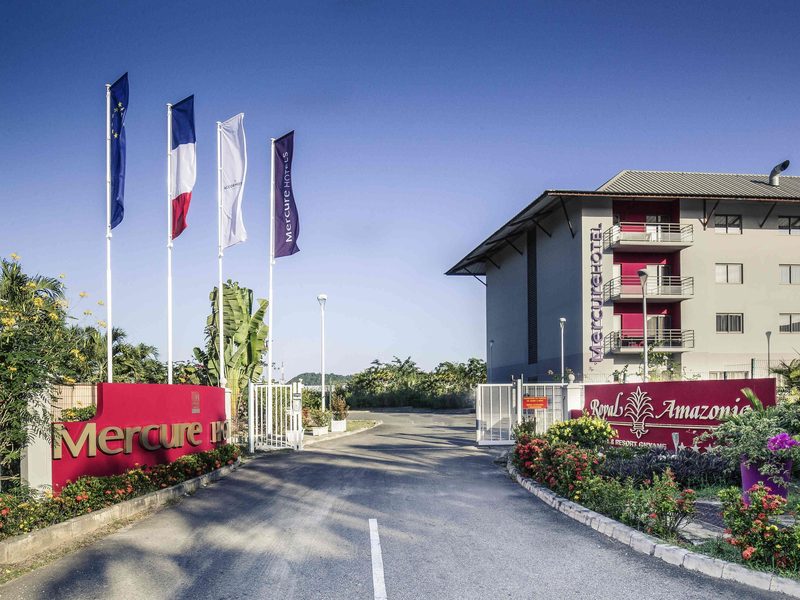
Where to Stay in Cayenne in April
Hand-picked hotels across price tiers for April travellers.
Public Holidays in April
Dates that affect opening hours, transport and crowds
Lundi de Pâques
Known in English as Easter Monday. Observed nationwide as a public holiday.
Packing Checklist
Bookmark this page — your progress is saved between visits
Need the full list with shopping links?
Climate-specific gear, brand recommendations, and what to leave at home.
View Cayenne Packing List →Essential Tips
Insider knowledge and common pitfalls to avoid
Insider Knowledge
Mornings in Cayenne are often dry even at the height of the wet season. The heaviest rain typically rolls in between 2 PM and 5 PM. It arrives in sudden, theatrical bursts that turn gutters into rivers. Then it clears within the hour. Plan outdoor excursions and market visits for early morning. Save indoor activities or long meals for the afternoon downpour window.
Cacao sits 75 km (47 miles) south of Cayenne. The Hmong village runs a Sunday market that pulls locals from across French Guiana. Jungle-edge farms supply the freshest produce in the territory. The Laotian spring rolls seal the deal. Rice paper wraps tight around herbs, pork, and shrimp. The road south cuts through dense rainforest. Rivers swell fast after morning rain.
Ti'punch is the social ritual here. It signals you understand the place. The formula never changes: rhum agricole, a pressed lime wedge, cane sugar. You mix it yourself. Order one at any Cayenne bar. Your neighbor will likely push their preferred rhum on you before you finish. Accept it. This is the correct response.
Cayenne's safety reputation looks worse online than it feels on the ground. Common sense after dark still matters. Avoid Canal Laussat at night. Stick to Place des Palmistes and the waterfront district. The city feels like a midsized mainland French town. Petty theft is the main risk. Violent incidents involving visitors are rare.
Avoid These Mistakes
Do not pack for mainland France. Cayenne sits just north of the equator on South America's Atlantic coast. The climate, insects, and daily rhythms match Suriname more than Paris. Lightweight tropical gear matters most. Serious mosquito protection is non-negotiable. So is tolerance for sweat. Everything else is secondary.
Never cancel the Kaw Marshes trip for rain. April showers fill the marshes. They open deep channels for pirogue navigation. Wildlife crowds accessible waterways. The best black caiman encounters happen on warm, wet evenings. Water runs high. The air hangs thick enough to feel on your skin.
Forget mainland-France punctuality. Cayenne moves to its own rhythm. Restaurants open later than posted. Boat departures shift by an hour. Firm reservations bend here. Build slack into every day. You will enjoy the pace instead of fighting it. The city is not inefficient. It simply refuses anxiety about time.
Short on time? See day trips around Cayenne on GetYourGuide.
Ready to plan your trip to Cayenne?
Now that you've got the research covered, here's where to go next.
Explore More Activities in Cayenne
Didn't see anything interesting yet?
Browse Viator's full catalog of tours, day trips, food experiences, and private guides in Cayenne.
See All Cayenne Tours on Viator