Things to Do in Cayenne in February
February weather, activities, events & insider tips
Shoulder Season · Good Value
February Weather in Cayenne
Long-run averages for February
84°F (29°C)
High Temp
74°F (23°C)
Low Temp
13.2 inches (335 mm)
Rainfall
80%
Humidity
21
Rainy Days
13
Sunny-Day UV
⚠ Intense tropical downpours can flood low-lying streets in Cayenne's centre within minutes, around Canal Laussat and the waterfront. Avoid walking through standing floodwater, which can conceal open drains and carry debris.
⚠ Dengue fever is endemic in French Guiana, with mosquito-borne transmission at its highest during the wet season. Use DEET repellent consistently, sleep under treated nets if your accommodation lacks window screens, and seek medical attention immediately for sudden high fever or severe joint pain.
⚠ Equatorial UV radiation reaches extreme levels year-round, including through cloud cover. Sunburn develops faster than most visitors from temperate climates expect, even on mornings that appear fully overcast. Reapply sunscreen after sweating or rain.
Making the most of February in Cayenne? Browse tours and activities in Cayenne on GetYourGuide.
Is February Right for You?
Weigh the advantages and considerations before booking
Advantages
- + February marks the peak of French Guiana's Carnival, probably the longest continuous carnival season anywhere on earth, stretching from Epiphany to Ash Wednesday. The final Jours Gras in 2027 lands around February 7 through 10. The Touloulou masked balls and kaseko drumming parades are traditions found nowhere else. Worth the trip.
- + February brings 335 mm (13.2 inches) of rain, lighter than January's 399 mm and far below the May and June deluge exceeding 590 mm. This is among the more manageable months for outdoor exploration between showers. Pack waterproof gear anyway.
- + Months of rain transform the Amazonian interior into its most photogenic phase. The canopy burns electric green, rivers rise high enough for pirogue access deep inland, and wildlife crowds the fruiting trees. Birding in February is exceptional. Bring binoculars.
- + Cayenne uses the euro and French civic infrastructure: drinkable tap water, public hospitals, pharmacies meeting metropolitan standards. Daily costs run well below mainland France. Accommodation, meals, and transport cost significantly less than Paris or the French Caribbean. Your budget stretches further here.
Considerations
- − Twenty-one days with measurable rain guarantees you will get soaked. These are not European drizzles. Tropical downpours dump walls of water that flood streets along Canal Laussat ankle-deep within fifteen minutes, then vanish just as fast. Flexibility is essential.
- − Eighty percent humidity combined with 29°C (84°F) heat produces a clinging warmth that exhausts you quickly. The air feels thick, almost heavy. You will soak a fresh shirt within twenty minutes outside. Locals walk slowly. Follow their lead.
- − February Atlantic swells hit 2 metres (6.5 feet), forcing cancellation of Iles du Salut crossings with minimal warning. If the islands are your main draw, pad your itinerary with at least two flexible days. Check conditions daily.
Settled on February? Compare hotel prices in Cayenne for your dates on Trip.com.
Best Activities in February
Top things to do during your visit
Carnival Parades and Touloulou Dance Halls in Cayenne
February brings French Guiana's Carnival to fever pitch, with Jours Gras 2027 falling around February 7 through 10. What separates this from Rio or Trinidad is the Touloulou. Women conceal themselves completely in elaborate full-body disguises, masks, gloves, layered fabric, then enter the Universites, the Carnival dance halls, where they alone select partners. Refusing a Touloulou's invitation violates local etiquette seriously. Parades snake through Place des Palmistes beneath towering royal palms. Kaseko percussion hits your chest before the melody registers. The parade route thickens with charcoal smoke from grilled chicken, the sharp sweetness of cane-sugar rum punch, the warm musk of hundreds dancing in equatorial humidity. On Ash Wednesday evening, crowds mass at the waterfront to burn Vaval, the giant Carnival king effigy. Woodsmoke and rum linger over the harbour past midnight. This is not tourist theater. It is profoundly local, felt, and February alone offers access.
Booking Tip: Reserve accommodation six weeks before Jours Gras. Cayenne's limited hotel stock fills completely during Carnival week. Smaller guesthouses book faster than larger hotels. Arrive the weekend before Mardi Gras to experience the full celebration arc, not merely the finale. Licensed operators occasionally package guided Carnival experiences with dance hall access and parade viewing positions. Current options appear in the booking section below.
Iles du Salut Day Voyage from Kourou
The Salvation Islands lie roughly 15 km (9.3 miles) offshore, three islands France used as a penal colony from the 1850s to 1953. Devil's Island, the most notorious, held Alfred Dreyfus and Henri Charriere, author of Papillon. The crossing from Kourou's marina takes about 75 minutes through open Atlantic, and February swell can be rough. Seasickness medication is essentially mandatory. On Ile Royale, the only island open to free exploration, ruined cell blocks stand silent except for red howler monkeys crashing overhead and blue land crabs clicking across stone paths. Coconut palms grow through collapsed roofs. The air carries damp volcanic stone, copra, and salt. Surrounding waters clear to turquoise the muddy mainland coast never achieves. Snorkeling off the small dock yields parrotfish and sergeant majors in unexpected numbers. Whether crossings operate any given day depends entirely on sea conditions.
Booking Tip: Departures run from Kourou, approximately 65 km (40 miles) west of Cayenne, roughly ninety minutes on the RN1. Book through licensed operators at least one week ahead and reconfirm morning of departure, since rough seas cancel with little warning. Full-day trips with packed lunch are standard. Current excursion options appear in the booking section below.
Guided Amazonian Rainforest Treks
Ninety-six percent of French Guiana is primary Amazonian rainforest, and February's accumulated rains push everything into overdrive. The canopy is at its most impossibly dense. The undergrowth steams with the sweet rot of decomposing leaves and the sharp mineral tang of wet laterite clay. The forest floor squelches underfoot in a way that is either satisfying or annoying depending on your footwear choices. Guided treks typically operate along established trails within a few hours of Cayenne, with the Montsinery-Tonnegrande area being a common departure zone. You will likely hear toucans and macaws before you see them. A piercing metallic call cuts through the insect drone. The chance of encountering three-toed sloths, golden-handed tamarins, and iridescent blue morpho butterflies is higher in the wet season when fruiting trees draw animals out of deeper cover. The trails are muddy, sometimes ankle-deep. The humidity under the canopy feels ten degrees hotter than the open air. This is not a manicured nature walk. That is the appeal.
Booking Tip: Book guided treks at least five days ahead through operators with DREAL-certified guides. Independent jungle entry without a guide is strongly discouraged and dangerous, even on trails that look well-marked. Half-day treks suit most visitors. Wear long sleeves and trousers despite the heat. Bring industrial-strength insect repellent with at least 30 percent DEET. See available options in the booking section below.
Cayenne Market and Creole Food Exploration
The Marche de Cayenne is the social and gustatory heart of the city, loudest and most packed on Wednesday and Saturday mornings before 10 AM, when the Hmong farmers from Cacao village stack towers of lemongrass, Thai basil, and bird's-eye chillies alongside Creole vendors frying accras de morue in blackened cast-iron pots over gas burners. The accras, salt cod fritters that shatter when you bite through the crust into a cloud-soft interior, come with a scotch bonnet pepper sauce that starts sweet and finishes with a slow-climbing heat at the back of your throat. The market also sells galettes de manioc, flat cassava bread with a slightly sour toasted grain flavour that locals eat with everything the way Parisians go through baguettes. For a proper meal, the colombo de poulet stalls serve chicken simmered in a curry spice blend brought by Tamil and Sri Lankan immigrants over a century ago, sharpened with green mango and ladled over sticky rice. The Chinese roast duck counters and the Brazilian pastel stands add more layers to a food landscape that is as equatorially French as it is South American and Southeast Asian all at once. The smell of the whole market on a busy morning is an overlapping wall of frying oil, roasted spices, overripe tropical fruit, and fresh fish on ice.
Booking Tip: No booking needed for the market itself. Arrive before 9 AM on Wednesday or Saturday for the fullest selection and the best chance of snagging accras straight out of the oil. For structured food walks with a knowledgeable local guide who can explain the cultural layers behind each stall, look for Cayenne culinary tour operators. Check the booking section below for current guided food experiences.
Guiana Space Centre Visit at Kourou
The Centre Spatial Guyanais, about 65 km (40 miles) northwest of Cayenne, is where Europe launches its Ariane and Vega rockets. The equatorial latitude gives rockets a free velocity boost from Earth's rotation. That is the entire reason France maintains a launch facility in South America rather than somewhere closer to Paris. The Musee de l'Espace visitor centre walks through the history of the program with scale models and recovered hardware. But the real draw is the guided tour of the launch pads themselves: vast sloping concrete structures carved out of cleared jungle, where the scale hits you in a way photographs never manage. If a launch happens to coincide with your visit, the viewing areas across the Kourou River fill with spectators from across French Guiana. The sound of a rocket clearing the tower carries across the water like sustained rolling thunder, felt as much as heard, with a pressure wave you register in your chest several seconds after the visual. Launch schedules are published weeks in advance and are worth checking before you lock in your travel dates.
Booking Tip: Tours must be booked in advance through the centre's reservation system, typically at least a week ahead. Bring valid photo identification. Security screening is thorough. The drive from Cayenne takes about ninety minutes on the RN1. Some operators offer guided day-trip packages that include transport from Cayenne, which saves you from navigating the route independently. See the booking section below for current excursion options.
Mangrove and Wetland Pirogue Wildlife Tours
The Kaw marshes, roughly 80 km (50 miles) southeast of Cayenne, harbour some of the most concentrated wildlife in the Guianas, and February's high water levels mean the long narrow pirogues with outboard motors can push deep into tidal channels that go dry or impassable by September. Dawn departures are standard because black caimans bask on exposed mudflats in the early light before the heat sends them under. The birdlife at first light borders on absurd: scarlet ibis the colour of arterial blood, great egrets standing motionless in the shallows, and jabiru storks stalking through the reeds on legs that seem too thin for their bodies. The smell of the mangroves is tidal and elemental, salt mud and decomposing vegetation cut with the faintly sweet scent of mangrove blossoms. As the morning warms, capybaras sometimes appear on the banks, unfazed by the boat, and if you are lucky you catch the sleek head of a giant otter surfacing with a fish. Keep expectations honest. This is wild habitat, not a safari park. You might see extraordinary things or you might see mostly birds and mud. That unpredictability is part of the experience.
Booking Tip: Reserve pirogue tours a week ahead. Choose operators that supply life jackets and pilots who understand the tidal channels. Dawn departures require a very early start from Cayenne, usually at 4 AM. Some companies provide overnight stays at eco-lodges near the marshes. Pick that option. It places you on the water at first light without the predawn drive. Check the booking section below for available tours.
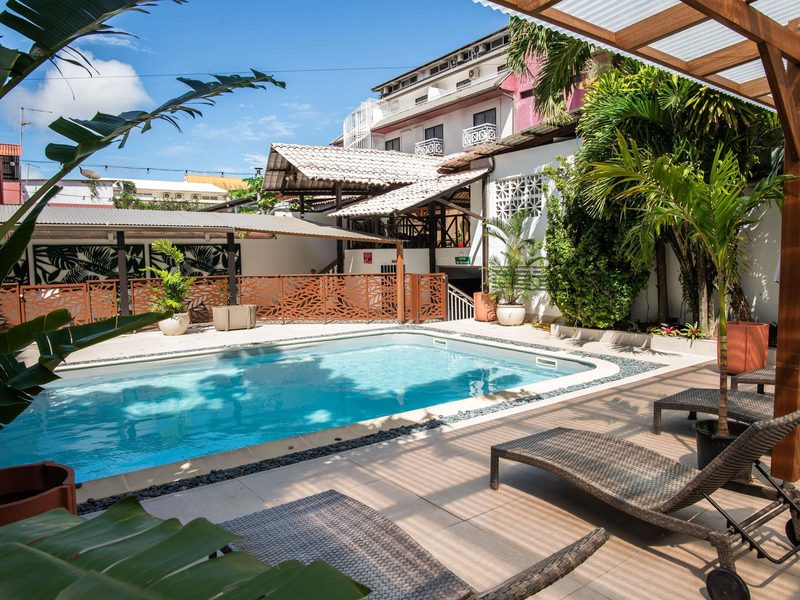
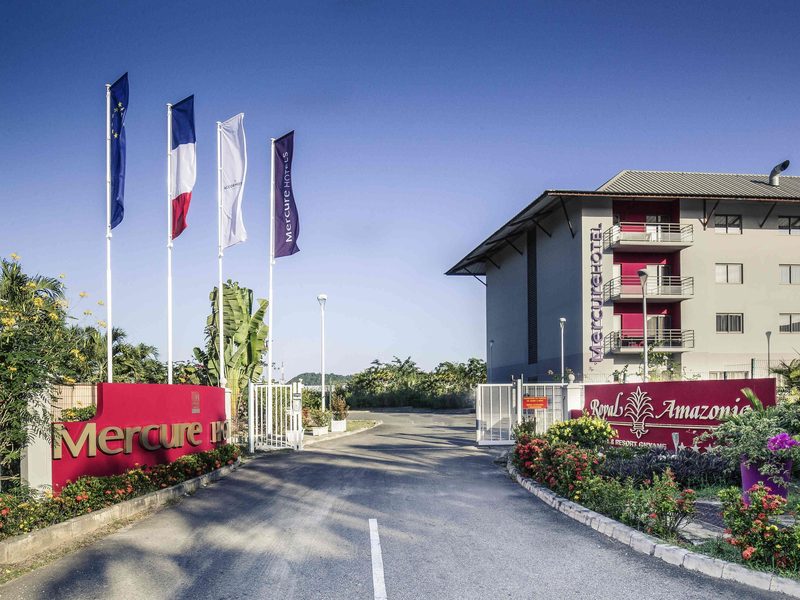
Where to Stay in Cayenne in February
Hand-picked hotels across price tiers for February travellers.
Packing Checklist
Bookmark this page — your progress is saved between visits
Need the full list with shopping links?
Climate-specific gear, brand recommendations, and what to leave at home.
View Cayenne Packing List →Essential Tips
Insider knowledge and common pitfalls to avoid
Insider Knowledge
Cayenne streets empty between noon and 3 PM daily. Shops close. The market goes quiet, and even the stray dogs find shade. This is not laziness. It is a physiological retreat from equatorial midday heat that locals have observed for generations. Schedule outdoor exploration for early morning or after 4 PM. Use the dead hours for a slow lunch or the hotel pool. During Carnival week, the energy shifts entirely to nighttime. The streets around Place des Palmistes fill after dark with food vendors, music, and dancing. The atmosphere is generally festive and safe. Keep the usual urban awareness in parade crowds. Stay in lit and populated areas. Leave flashy electronics at the hotel. Watch your surroundings.
Visit the Hmong village of Cacao, about 75 km (47 miles) south of Cayenne. It holds a Sunday morning market that rivals the city market for food and surpasses it for atmosphere. Families who arrived as refugees from Laos in the 1970s sell fresh spring rolls, pho, and tropical produce they grow themselves. All sales happen under a corrugated tin roof surrounded by primary rainforest. The ninety-minute drive each way follows a road through unbroken jungle canopy that is worth the trip on its own. Go early. Eat everything.
During Carnival, the Touloulou tradition comes with strict rules that no one will explain to you beforehand unless you ask. Men wait to be invited to dance. If a masked Touloulou approaches you, you accept. The Universites dance halls typically run from midnight until dawn. The etiquette inside is as formal as a ball despite the anarchic costumes. Ask at your guesthouse which nights are the best attended rather than following the larger tourist crowds. The most authentic balls tend to happen in neighbourhood halls, not the biggest venue. Dress sharply.
French Guiana uses the euro, runs on French administrative rhythms, and is connected to Paris by direct flights from Felix Eboue Airport, roughly eight and a half hours from Orly with daily service. This makes Cayenne one of the most logistically convenient gateways to the Amazonian world, even though nothing about the humidity that wraps around you on the tarmac feels remotely Parisian. Pharmacies stock the same products as metropolitan France, the public hospital operates to French standards, and your European health card works here. That combination of tropical wildness and French infrastructure is Cayenne's peculiar advantage.
Avoid These Mistakes
Expecting a Caribbean beach destination. Cayenne sits on the South American mainland, and its coastline is mostly brown-water estuary, mudflats, and mangrove rather than white sand and turquoise water. The beaches at Remire-Montjoly are pleasant enough for an afternoon, with warm water and coconut palms. But the Atlantic here runs the colour of cafe au lait from sediment carried out of the Amazon basin. If you came for crystal-clear snorkeling, you booked the wrong destination.
Not speaking any French. This is a fully integrated overseas department of France, not a former colony where English has taken hold. Menus, street signs, transport schedules, pharmacy labels, and the overwhelming majority of conversations happen in French and Guianese Creole. Even survival-level French changes how people respond to you. Arriving with no French at all and expecting to navigate comfortably is the single most common mistake international visitors make.
Underestimating the rain and packing for partly cloudy weather. February averages 21 days with measurable rainfall and a total of 335 mm (13.2 inches). These are not light showers. Tropical downpours arrive suddenly and vertically, turning roads along Canal Laussat into temporary rivers within minutes. Travellers who pack a thin windbreaker or rely on an umbrella spend their trip soaked, their electronics at risk, and their plans derailed. Proper waterproofing for yourself and your gear is not cautious. It is essential.
Short on time? See day trips around Cayenne on GetYourGuide.
Ready to plan your trip to Cayenne?
Now that you've got the research covered, here's where to go next.
Explore More Activities in Cayenne
Didn't see anything interesting yet?
Browse Viator's full catalog of tours, day trips, food experiences, and private guides in Cayenne.
See All Cayenne Tours on Viator