Things to Do in Cayenne in December
December weather, activities, events & insider tips
Low Season · Budget Friendly
December Weather in Cayenne
Long-run averages for December
86°F (30°C)
High Temp
73°F (23°C)
Low Temp
13.9 inches (353 mm)
Rainfall
83%
Humidity
21
Rainy Days
11
Sunny-Day UV
⚠ December brings the rainy season back after September-November's drier stretch. Expect intense tropical downpours on roughly 21 of 31 days. They arrive suddenly in afternoon. Streets flood within minutes. Central Cayenne drainage struggles, along the waterfront and Avenue du Général de Gaulle.
⚠ Dengue fever circulates in urban Cayenne. December rains increase risk by creating breeding sites citywide. Use DEET-based repellent consistently. Wear long sleeves at dawn and dusk. Seek accommodation with screened windows or functioning air conditioning. Sleep with windows closed.
⚠ The equatorial UV index hits 11 on clear days. That is extreme by any scale. Cloud cover in December gives inconsistent protection. It does not eliminate UV exposure. Sunburn strikes through overcast skies. Boat crossings to the Îles du Salut amplify the risk. Reflected glare off the water compounds direct exposure. Pack high-SPF sunscreen. Reapply often.
Making the most of December in Cayenne? Browse tours and activities in Cayenne on GetYourGuide.
Is December Right for You?
Weigh the advantages and considerations before booking
Advantages
- + December in Cayenne catches the city at the hinge between the dry months and the heavy rains of spring. The surrounding rainforest surges back to life after the drier September-November stretch. Rivers rise. Waterfalls regain their thunder. The canopy along the Route de Montsinéry glows an almost electric green that photographs better than anything you will see in the dry season. The heat is real but marginally gentler than October's peak. Late-afternoon downpours cool things off enough that evenings along the Place des Palmistes feel close to pleasant. Pack light layers.
- + The French holiday calendar works in your favor. Cayenne's population swells slightly with families returning from the métropole for Réveillon. Creole feasting follows. A stretch of eating peaks between Christmas Eve and New Year's. Market stalls at the Marché Central pile high with boudin créole, accras de morue, and the ingredients for the slow-cooked colombo that anchors most holiday tables. If you want to eat the way Cayennais prefer when they are celebrating, December is the month. Bring an empty stomach.
- + Crowds stay thin by any global standard. Cayenne is not Martinique or Guadeloupe. No cruise ships dock to funnel thousands into the old town each morning. Even during the holiday week the beaches at Rémire-Montjoly and the ruins at Fort Cépérou are shared among a few dozen visitors at most. You will not queue for anything. Skip the lines. Grab a seat at the better rôtisseries on Christmas Eve instead.
- + December sits just before Carnival season officially opens in January. Preparations are already underway. Workshops in the Quartier Buzaret sew sequined costumes. Touloulous rehearse. Percussion groups practice in the evenings along the Canal Laussat. You get a backstage look at French Guiana's most important cultural event without the crowds and noise of the season itself. Locals talk freely. The excitement builds. The exhaustion has not set in yet. Travelers catch the energy early.
Considerations
- − Twenty-one days of measurable rain is not a statistic you can charm your way past. December brings 353 mm (13.9 inches). Rain falls in heavy, equatorial bursts. Cayenne's lower streets turn into ankle-deep streams within minutes. The drainage along Avenue du Général de Gaulle and parts of the waterfront handles it poorly. You will get soaked if you stand without cover. The rain stays warm. It remains relentless. Outdoor plans need a permanent asterisk. Excursions to the Îles du Salut or upriver face cancellation on short notice. Atlantic chop picks up fast. Pack a solid umbrella.
- − Humidity at 83% makes Cayenne feel hotter than the thermometer reads. The air sits heavy on your skin from the moment you step outside in the morning. Clothes cling fast. AC offers relief. Back outside, the wall returns. Travelers who struggle with tropical humidity will find December harder than the relatively drier August-October window. Sweat follows you. Breath feels thick. Travel smart.
- − Flight options into Cayenne-Félix Éboué Airport remain limited. They tend to be expensive around the French holidays. Most connections route through Paris-Orly or Fort-de-France. December seats fill early with Guyanais returning home for the break. Booking well in advance is not optional. It is the difference between a reasonable fare and something that stings. Secure tickets now. Prices jump quickly. Check multiple dates. Book now.
Settled on December? Compare hotel prices in Cayenne for your dates on Trip.com.
Best Activities in December
Top things to do during your visit
Îles du Salut Boat Excursions
The Salvation Islands sit about 15 km (9.3 miles) off the coast. The crossing from Kourou's marina takes roughly ninety minutes on a decent day. December seas run choppier than dry-season glass. Day-tripper numbers drop sharply. You might have the crumbling cellblocks of Île Royale largely to yourself. The old penal colony buildings face slow consumption by tropical vegetation. Roots split through stone walls. Kapok trees shoulder apart guard towers. The effect stays plainly eerie in the heavy December light when rain clouds darken the canopy overhead. Île Saint-Joseph, the solitary confinement island, is the one that stays with you. Roofless cells open to the sky where prisoners stared up at the same rain you are standing in. Devil's Island itself is visible but off-limits. It rests a dark hump of green across a channel too rough to swim. The humidity means everything smells of wet stone and rotting leaves. Agouti rodents that have taken over the island floor rustle through the undergrowth around your feet. Allow a full day. Bring motion-sickness medication if you are susceptible. The boat may not run if swells exceed safety thresholds. See current tour availability in the booking section below. Plan for delays. Watch the water. Tides shift fast.
Booking Tip: Book at least two weeks ahead in December. Holiday visitors compete for limited boat capacity. Look for operators who confirm cancellation policies for weather delays. These delays are common this month. Morning departures tend to have calmer seas than afternoon returns. Leave early. Catch the wind.
Guiana Space Centre Tours from Kourou
The Centre Spatial Guyanais in Kourou sits about 60 km (37 miles) west of Cayenne along the coastal road. It is Europe's spaceport. It is one of the singular things you can do in this part of the world. December occasionally lines up with an Ariane or Vega launch. When it does, the night sky over the mangroves lights up. Every other experience on your trip feels small by comparison. Even without a launch, the guided tours deliver. You walk through mission control rooms and rocket assembly buildings. The scale of the hardware hits you physically. Outdoor viewing areas show launch pads against equatorial jungle that looks centuries old. The air smells of hot tarmac and green rot. December's rain can interrupt outdoor portions. The indoor exhibits and Space Museum stay open regardless. The drive from Cayenne passes mangrove coast. Scarlet ibis sometimes flicker through the tree line. Pay attention and you will see them.
Booking Tip: Reserve your space centre tour online through the official booking system. Do this as soon as your travel dates are confirmed. December slots fill with holiday visitors. If a launch is scheduled, viewing area passes are separate. They disappear fast. Check the launch calendar before finalizing your trip dates.
Cayenne Central Market and Creole Food Walks
The Marché Central on the Place du Coq is where Cayenne's actual culinary life happens. December amplifies it. The covered hall smells of fresh coriander, piment, and dried salt fish piled on newspaper. Hmong farmers from Cacao, about 75 km (47 miles) south, bring rambutan, litchis, and unfamiliar greens. Creole grandmothers sell bouillon d'awara ingredients. The bright orange palm fruit takes three days to cook. This ceremonial stew traditionally appears at Easter. It increasingly shows up at Christmas gatherings too. December is holiday-cooking season. The market runs hotter and louder than usual. Vendors shout over each other. Aisles pack by mid-morning. Surrounding streets host ti-punch stands. White agricultural rum, lime, and cane syrup mix in vendor-specific proportions. These will rearrange your afternoon. Wander with an empty stomach. Let the market lead you. Food stalls behind the main hall serve colombo de poulet. Try the accras. They shatter when you bite through the crust into soft salt cod. Fresh-pressed sugarcane juice tastes like rain smells here. Green. Mineral. Slightly sweet.
Booking Tip: Guided food walks through the market are best booked through locally based operators. They know the vendors personally. Go early. Before 8 AM is ideal. The selection is fullest then. The heat has not yet turned the covered hall into a sauna. See the booking section below for guided options that include tastings.
Amazonian Rainforest Canopy Excursions
Cayenne sits at the edge of one of the largest intact tropical forests on earth. December's returning rains wake the jungle up. The dry months cannot match this. The Sentier du Rorota trail near Rémire-Montjoly lies about 10 km (6.2 miles) from central Cayenne. It threads through coastal forest. Howler monkeys bark from above the canopy. The trail floor squelches underfoot. The smell is rich, composting, equal parts unpleasant and alive. Longer excursions upriver along the Approuague or the Oyapock take you deeper. Primary forest closes overhead completely. Rain hitting the upper canopy arrives at ground level as a delayed, softer drip. December's higher water levels make some river access easier. Channels open that dry up by September. The humidity is brutal under the canopy. Your shirt will be soaked within thirty minutes. Rain or not, this happens. The birdlife compensation is real. Toucans. Tanagers. If you are lucky and quiet, you might spot the iridescent blue of a morpho butterfly. It is the size of your hand. It catches light between the trunks.
Booking Tip: Rainforest excursions require licensed guides. In December this is not optional. Trails flood unpredictably. Wildlife awareness matters. Communication coverage disappears quickly outside urban areas. Book at least ten days ahead. Confirm that your operator provides waterproof bags for electronics. Adequate insect protection is essential. Half-day trips suit most visitors. Multi-day river expeditions exist. They require real physical readiness.
Mangrove Kayaking Along the Cayenne Coast
The mangrove systems lining the coast between Cayenne and Matoury are quietly extraordinary. December's rising water levels open channels and root tunnels. These are impassable in drier months. Paddling through the mangroves in early morning works best. Go before the rain typically starts. The water is tea-coloured and still. It reflects the tangle of aerial roots above. Sound is mostly your paddle. Occasionally a heron lifts off ahead with a sharp call. You are likely to see four-eyed fish breaking the surface. Fiddler crabs wave from mud banks. If the tide is right, juvenile sharks cruise the shallows where mangroves meet open water. The smell is tidal, brackish, organic. Not exactly pleasant. Honest, though. It tells you the ecosystem is working. December mornings offer a window of two to three hours before clouds build. Experienced guides know which channels flood safely. They know which ones turn into dead ends when water rises mid-paddle. This is not an adrenaline activity. It is slow. Observational. Best suited to travelers who find beauty in root system architecture. And in the patience of a stalking egret.
Booking Tip: Morning departures between 6 and 7 AM give you the calmest water. Wildlife sightings peak before the heat builds. Book three to five days ahead. Confirm the operator provides sit-on-top kayaks suitable for beginners. Bring a dry bag for your phone. Check the booking section below for current guided kayak options.
Fort Cépérou and Colonial Cayenne Walking Tours
Fort Cépérou sits on the hill where Cayenne was founded in the seventeenth century. The ruins are modest: crumbling laterite walls and a few cannons pointed toward a river mouth that no longer needs defending. The value is the view. From the fort you look down over Cayenne's rooftops, the corrugated iron and faded pastel paint of the colonial quarter, the dark line of mangroves along the coast, and on clear December mornings, out toward the Atlantic where the sky and water merge into the same grey-blue haze. The walk up from the Place des Palmistes takes about fifteen minutes. You pass nineteenth-century Creole townhouses with wooden balconies and iron lacework. They lean at angles that suggest structural optimism more than engineering. The Place des Palmistes itself is Cayenne's living room. It is a long rectangular park lined with royal palms where families gather in the evenings when the heat relents. Food vendors set up carts selling grilled chicken and boko, the local cassava flatbread that tastes best still warm with a smear of piment. December's holiday atmosphere makes the evening gatherings larger and louder than usual. Music drifts from the bars along the Rue Lallouette.
Booking Tip: Walking tours of colonial Cayenne work best in the early morning or late afternoon. The heat is manageable then. Self-guided is feasible since the historic quarter is compact, roughly 1.5 km (0.9 miles) across. A guided tour adds context about the colonial and penal history that the buildings themselves no longer explain. See the booking widget for current options.
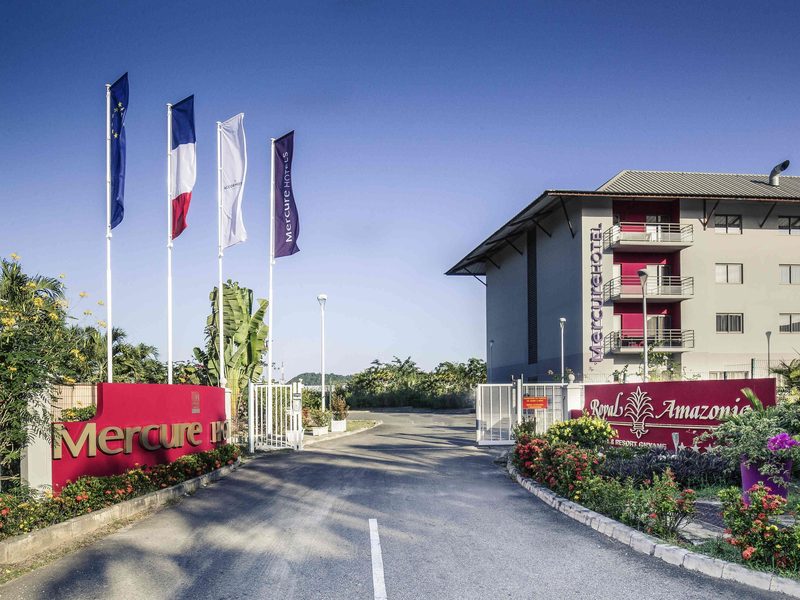
Where to Stay in Cayenne in December
Hand-picked hotels across price tiers for December travellers.
Public Holidays in December
Dates that affect opening hours, transport and crowds
Noël
Known in English as Christmas Day. Observed nationwide as a public holiday.
Noël
Known in English as Christmas Day. Observed nationwide as a public holiday.
Noël
Known in English as Christmas Day. Observed nationwide as a public holiday.
Packing Checklist
Bookmark this page — your progress is saved between visits
Need the full list with shopping links?
Climate-specific gear, brand recommendations, and what to leave at home.
View Cayenne Packing List →Essential Tips
Insider knowledge and common pitfalls to avoid
Insider Knowledge
Skip the restaurants. The best December eating in Cayenne happens at holiday rôtisseries and food stands. Grilled chicken vendors line the Route de Montabo, working halved oil drums over charcoal. Their birds carry smoky, piment-rubbed skin that shatters between your teeth. Locals order by the quarter. They add couac, the toasted cassava flour Guyanais scatter like the French use bread. These stands peak between 6 and 9 PM. No signage guides you. Just follow the smoke. First come, first served.
Cayenne runs on French administrative time. Government offices, banks, and some shops close for long lunches. Sundays shut everything. Christmas-to-New-Year brings unpredictable closures. The Marché Central keeps reliable morning hours. Handle administrative errands and shopping before noon on weekdays. The siesta pace is not laziness. It is survival. Midday in December is too hot and too humid to pretend otherwise.
Drive 75 km (47 miles) south to Cacao. The Hmong community settled here after the wars in Laos. Their Sunday morning market runs early. Stalls serve spring rolls, pho, and sticky rice. Rambutan and dragonfruit come from nearby plots. The contrast with Creole Cayenne jars wonderfully. The forest road winds for ninety minutes. Arrive early. The best produce vanishes by 10 AM. December rains slick the surface. Allow extra time.
French Guiana uses the euro. Cards work at established Cayenne businesses. Market vendors, food stands, and smaller shops demand cash. ATMs cluster along Place des Palmistes and near the préfecture. Holiday weekends drain them. Withdraw on weekdays. Keep small bills. Tipping is not customary in the French tradition. Round up at food stands. That is appreciated.
Avoid These Mistakes
Do not mistake Cayenne for a Caribbean island. French Guiana sits on the South American mainland, bordered by Brazil and Suriname. Cayenne carries the infrastructure and pace of a small French administrative city, not a resort town. No white-sand beaches. No all-inclusive compounds. The tourism infrastructure serves independent travelers and visiting French families, not package holidaymakers. Adjust expectations. Save yourself disappointment.
Do not underestimate December's rain. Do not plan rigid outdoor itineraries. Twenty-one rainy days makes rain the default. Downpours trap you under awnings for forty-five minutes without warning. Build slack into each day. Schedule outdoor activities for mornings when skies clearest. Let afternoon storms cue you to eat, drink, and wait. Fighting the weather here loses every time.
Do not skip insect protection because the city feels urban. Cayenne sits at the edge of equatorial rainforest. Mosquitoes ignore boundaries between built and wild. December rains create standing water in gutters, construction sites, and garden pots across the city. The mosquito population explodes. Dengue transmits in urban Cayenne, not just forest. Experienced residents never neglect repellent. Neither should you.
Short on time? See day trips around Cayenne on GetYourGuide.
Ready to plan your trip to Cayenne?
Now that you've got the research covered, here's where to go next.
Explore More Activities in Cayenne
Didn't see anything interesting yet?
Browse Viator's full catalog of tours, day trips, food experiences, and private guides in Cayenne.
See All Cayenne Tours on Viator