Things to Do in Cayenne in August
August weather, activities, events & insider tips
Low Season · Budget Friendly
August Weather in Cayenne
Long-run averages for August
89°F (31°C)
High Temp
72°F (22°C)
Low Temp
5.3 inches (135 mm)
Rainfall
81%
Humidity
14
Rainy Days
12
Sunny-Day UV
⚠ Equatorial UV intensity is extreme year-round. August's clearer skies mean more direct exposure than the overcast wet season. Sunburn and heat exhaustion are serious risks during midday outdoor activities. This applies on the treeless ruins paths of the Iles du Salut. Open-water pirogue crossings pose similar dangers. Pack high-SPF sunscreen. Reapply often.
⚠ Dengue fever is endemic in French Guiana. There is no strict seasonal pattern. The Aedes aegypti mosquito bites during daylight hours. Urban Cayenne presents risks as readily as jungle settings. DEET repellent at dawn and dusk is a medical precaution. It is not merely a comfort preference. Do not skip it.
⚠ Atlantic rip currents along the coast near Montjoly and Remire-Montjoly are strong and variable. Swim only at spots where locals are in the water. Heed any posted warnings. Rescue response to remote beach sections can be slow. Watch the water. Stay alert.
Making the most of August in Cayenne? Browse tours and activities in Cayenne on GetYourGuide.
Is August Right for You?
Weigh the advantages and considerations before booking
Advantages
- + August hits Cayenne's dry season. Rainfall plummets to 135 mm (5.3 inches), down from the 599 mm (23.6 inches) that soaks the city in May. River excursions run on time. Island crossings to the Iles du Salut stay open. Jungle treks proceed without cancellation. The laterite roads to interior destinations hold firm. They do not dissolve into knee-deep orange mud.
- + Humidity drops from the suffocating 90% of wet season to a more manageable 81%. Mornings along Canal Laussat and Place des Palmistes catch actual breeze off the Atlantic. The heat builds later. This is as close to comfortable as equatorial South America gets. Early risers who hit the streets by 6:30 AM find conditions pleasant. Worth it.
- + French summer holidays add direct flight frequency from Paris. Cayenne becomes more accessible than in shoulder months, when connections mean long layovers in the Antilles. French Guiana does not compete with Guadeloupe or Martinique for beach-holiday traffic. Seat availability tends to be better than expected for a peak travel month.
- + The Atlantic calms enough for reliable catamaran crossings to the Salvation Islands. The penal colony ruins are best explored without rain streaming across the stonework. You want to read the prisoner inscriptions. Calmer seas also improve conditions for coastal fishing trips. Mangrove-channel excursions along the Mahury estuary south of the city run smoother too.
Considerations
- − The thermometer still reads 31°C (89°F) every afternoon. Residual humidity pastes your shirt to your back by midmorning. There is no cool season in Cayenne. Only less rain. If sustained tropical heat affects you badly, no month here will be comfortable. August is no exception.
- − French families on summer holiday fill the limited accommodation stock. Cayenne has a small number of quality guesthouses and lodges to begin with. Book at least six weeks ahead. Face a real scramble otherwise. This is not a city with overflow capacity. No last-minute booking platforms reliably cover what is available.
- − Mosquitoes stay aggressive through the dry season. Dengue is endemic in French Guiana year-round. The Aedes aegypti mosquito breeds in any standing water, including downtown planters and gutters in central Cayenne. The risk does not diminish when the rain stops. Skipping DEET repellent here is a medical decision. Not a comfort one.
Settled on August? Compare hotel prices in Cayenne for your dates on Trip.com.
Best Activities in August
Top things to do during your visit
Iles du Salut Penal Colony Excursions
August delivers the calmest seas of the year for the roughly two-hour catamaran crossing from Kourou to the Salvation Islands. The difference matters. During wet season, swells turn the passage rough enough to test steady stomachs. Ile Royale, the largest island, holds the crumbling remains of France's most notorious penal colony. Kapok tree roots have spent decades splitting apart stone cellblocks. Palm fronds scrape against iron bars that once caged men like Alfred Dreyfus. The heat is fierce on the treeless paths between ruins. Trade winds pick up on the eastern bluffs. Agoutis scurry through the undergrowth. Blue-headed parrots screech overhead. Give yourself the full day. Ile Saint-Joseph's roofless solitary confinement cells stand open to the equatorial sky. In dry August light the surviving inscriptions scratched into the walls are legible. Rain-soaked visits obscure them. The weight of the place demands patience. A photo sprint will miss the point entirely.
Booking Tip: Book passage at least two weeks ahead during August. French holiday visitors compete for the same limited catamaran seats departing from Kourou's marina. The crossing runs about two hours each way. Most operators offer full-day excursions with lunch on Ile Royale. See current options and availability in the booking section below.
Amazonian River Pirogue Expeditions
By August the rivers draining French Guiana's interior have dropped from their wet-season flood stage. Receding water concentrates wildlife along remaining deep channels. Sightings become reliable, not a matter of luck. A pirogue, the flat-bottomed motorized canoe that is the highway system of interior Guyane, carries you up tributaries of the Comte or the Approuague. Corridors of primary rainforest pass by. Howler monkeys groan from the canopy like a distant engine. The air hangs thick with the vegetable sweetness of decaying fruit and wet red clay. Full-day and overnight expeditions launch from river landings within an hour's drive of Cayenne. The better outfits set up hammock camps at carbets, open-sided shelters along the riverbanks. You fall asleep to a wall of cicada and tree-frog sound. You wake to scarlet macaws crossing the water at first light. August's lower water also exposes sandy banks where you can swim in the tea-colored tributary streams. A real relief after hours in a pirogue. Your guide will check for caimans first. Trust that call without hesitation.
Booking Tip: Arrange river expeditions at least ten days ahead. Overnight trips require hammock-camp logistics. Multi-day departures fill faster during August holiday weeks. Look for operators with experienced local guides. They know current water levels and seasonal animal movements. Check the booking section below for available jungle and river excursions departing from the Cayenne area.
Guiana Space Centre Discovery Tours
The Centre Spatial Guyanais in Kourou sits about 65 km (40 miles) west of Cayenne along the coastal RN1. It exists because of raw geography. This close to the equator, the earth's rotation hands rockets a free velocity boost that no temperate launch site can match. The visitor museum traces the arc from early rocketry to the Ariane and Vega programs with enough technical depth to hold the curious without losing the casual visitor. The guided bus tour through the launch complex puts you beside booster stages the size of apartment blocks. The assembly buildings dwarf anything photographs prepare you for. If a launch falls during your visit, the viewing area fills fast. The sound arrives as a physical thump in your chest several seconds after you see the flame column rise above the tree line. August's clearer skies improve viewing conditions compared to the overcast wet months. Launch schedules confirm only weeks ahead. Treat a launch as a windfall, not a plan. The drive from Cayenne takes about an hour. The road is well-maintained year-round.
Booking Tip: Guided tours of the launch complex require advance registration. Walk-ins are not permitted for security reasons. During French holiday weeks in August, tours fill quickly. Register as far ahead as possible. The museum area can be visited more flexibly. See current Kourou excursion options in the booking section below.
Cayenne Heritage and Market Morning Walk
The old town sits on the promontory between the Mahury estuary and the Atlantic. The hour to walk it is 6:30 AM. The Marche central opens its corrugated shutters then. Fish sellers start laying out the night's catch on beds of crushed ice. You will see red snapper, piranha, and the heavy-jawed aimara still glistening. Hmong vendors from the inland communes arrange rambutan, carambola, and bilimbi in pyramids that look too precise to eat. Fort Ceperou, the seventeenth-century ruin on the hill above Canal Laussat, offers the only elevated view of the old quarter. From there you can trace the grid of Creole houses. They are wooden, shuttered, paint peeling in that particular equatorial way where the color underneath is always more interesting than the coat on top. Place des Palmistes, the long rectangular park flanked by royal palms, is where Cayenne breathes. Families gather there in the evenings. Food carts line the perimeter selling colombo and accras. The breeze off the water drops the felt temperature just enough to make sitting still feel possible. August mornings are dry often enough to walk the full loop from the market through the old quarter to the Cathedrale Saint-Sauveur without dodging a downpour. By noon the heat builds to a wall. Every local disappears behind closed shutters until mid-afternoon.
Booking Tip: This walk is best done independently. Start before 7 AM when the market is at its liveliest and the heat is still manageable. If you prefer guided context, look for local heritage walk operators who know the Creole architecture and colonial history beyond what a signpost can tell you. See available Cayenne walking tour options in the booking section below.
Kaw Marshes Night Caiman Expeditions
The Kaw marshes sit roughly 75 km (47 miles) southeast of Cayenne along a laterite road. It turns to swamp in wet months but holds firm in August. These are the largest protected wetland in all of France. That fact catches most visitors off guard. Night pirogue excursions are the draw. Your guide cuts the outboard and paddles into narrow channels between floating carpets of giant Victoria amazonica water lilies. They sweep a spotlight across the dark water until pairs of orange-red eyes reflect back from the banks. The black caimans here reach three metres (ten feet) or more. The proximity in a low-sided wooden boat generates the kind of controlled unease that no organized thrill ride can replicate. August's receding water levels push the caiman population into remaining deep channels. Sightings become almost guaranteed. During the day the marshes reveal a quieter register. You will spot capybaras on the muddy banks, jacanas walking impossibly across lily pads, and the electric-blue flash of morpho butterflies crossing the channel ahead of your bow. The mosquitoes at the Kaw are legendary once the sun drops. Permethrin-treated long sleeves are the absolute minimum.
Booking Tip: Night caiman excursions should be arranged at least a week in advance. August availability tightens during holiday weeks. Look for operators with experienced naturalist guides who track current water levels and caiman movements. The drive from Cayenne takes roughly ninety minutes each way. See current wildlife expedition options in the booking section below.
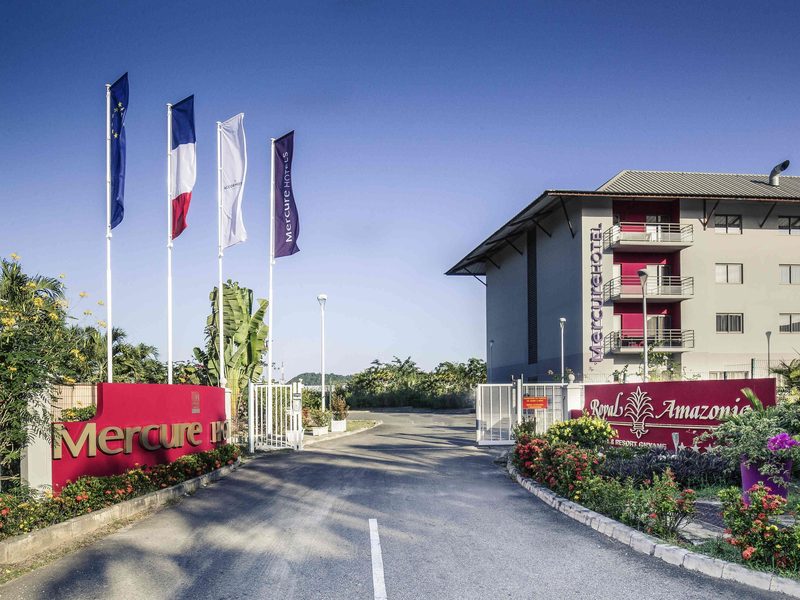
Where to Stay in Cayenne in August
Hand-picked hotels across price tiers for August travellers.
Public Holidays in August
Dates that affect opening hours, transport and crowds
Assomption
Known in English as Assumption Day. Observed nationwide as a public holiday.
Assomption
Known in English as Assumption Day. Observed nationwide as a public holiday.
Packing Checklist
Bookmark this page — your progress is saved between visits
Need the full list with shopping links?
Climate-specific gear, brand recommendations, and what to leave at home.
View Cayenne Packing List →Essential Tips
Insider knowledge and common pitfalls to avoid
Insider Knowledge
The Marche central is two markets in one. The main hall holds raw produce, fresh fish, and hand-blended spice mixtures. The annex across the street serves prepared Creole food. This is where Cayenne eats its first meal. Stand at the counter. Order accras de morue. These salt cod fritters carry a shatteringly crisp shell and soft, peppery center. Eat alongside taxi drivers and municipal workers before 8 AM. The fish sellers pack up around 11. The energy leaves with them. The market turns sleepy.
Cayenne shuts down between noon and 3 PM. Restaurant kitchens close. Shops pull their shutters. The streets empty as if someone called a curfew. This is not laziness. It is the only rational response to equatorial midday heat. Locals figured this out generations ago. Plan your museum visits for these dead hours. Save the walking for early morning or after 4 PM. The light softens then. The temperature drops a degree or two.
The two-lane RN1 from Cayenne to Kourou carries all meaningful traffic on a single corridor. Friday afternoons and Sunday evenings it backs up badly enough to add an hour. What should be a fifty-minute drive becomes a crawl. Heading to the Space Centre? Leave early in the morning. Return by early afternoon. Otherwise you spend late afternoon staring at brake lights.
French Guiana runs on French infrastructure. Metropolitan-standard healthcare at the Cayenne hospital. Well-stocked pharmacies. Emergency services that arrive. But the cultural resemblance to the metropole ends at the airport. The references here are Creole, Maroon, Hmong, and Brazilian in roughly equal measure. Treating Cayenne as a tropical outpost of mainland France will leave you confused at every turn. Approach it as its own place. Distinct. Layered. Unhurried. Conversations open up that the guidebook-following visitor never gets.
Avoid These Mistakes
Never assume accommodation can be arranged on arrival. French summer holidays overlap with the driest weather. Cayenne's small stock of quality guesthouses and lodges fills weeks ahead. Book at least four to six weeks in advance. Face a real shortage otherwise. Not just inconvenience. This city has no overflow capacity. No last-minute platforms reliably cover the local options.
Do not pack for a beach holiday. Cayenne's coastline is predominantly mangrove, mudflat, and murky Atlantic surf. The swimmable beaches at Montjoly and Remire-Montjoly are functional, not scenic. Brown water. Rip currents that demand caution. The real draw of French Guiana is inland. The rivers. The primary rainforest. The islands. Travelers expecting Caribbean-style sand leave disappointed.
Never drop mosquito precautions in the city because it feels urban. The Aedes aegypti mosquito that carries dengue breeds in any standing water. Downtown flower pots. Rain gutters. Ornamental basins around Place des Palmistes. The risk does not respect the boundary between jungle and asphalt. Apply DEET in central Cayenne with the same discipline you would use on a river expedition. at dawn and dusk.
Short on time? See day trips around Cayenne on GetYourGuide.
Ready to plan your trip to Cayenne?
Now that you've got the research covered, here's where to go next.
Explore More Activities in Cayenne
Didn't see anything interesting yet?
Browse Viator's full catalog of tours, day trips, food experiences, and private guides in Cayenne.
See All Cayenne Tours on Viator