Things to Do in Cayenne in September
September weather, activities, events & insider tips
Low Season · Budget Friendly
September Weather in Cayenne
Long-run averages for September
90°F (32°C)
High Temp
72°F (22°C)
Low Temp
2.5 inches (64 mm)
Rainfall
76%
Humidity
7
Rainy Days
12
Sunny-Day UV
⚠ Equatorial sun intensity is severe at this latitude. Sunburn can occur within 20 to 30 minutes of unprotected midday exposure. Heat exhaustion is a real risk during outdoor activities between 10 AM and 3 PM. Carry water constantly. Seek shade aggressively. Schedule strenuous activity for early morning or late afternoon. The sun here does not forgive.
⚠ Malaria and dengue transmission are active in French Guiana. This includes forested and marshy areas accessible from Cayenne. September's dry season reduces mosquito populations. It does not eliminate risk. Consult a travel medicine specialist before departure. Carry high-concentration DEET repellent. Sleep under treated nets if your accommodation lacks screened windows. Do not get casual about this.
Making the most of September in Cayenne? Browse tours and activities in Cayenne on GetYourGuide.
Is September Right for You?
Weigh the advantages and considerations before booking
Advantages
- + September is Cayenne's driest month, with just 2.5 inches (64 mm) of rainfall compared to the May deluge of 23.6 inches (599 mm). The grande saison seche is in full swing. Walk the length of the Canal Laussat. Climb Fort Ceperou. You will not dodge the theatrical downpours that define most of the year. For a place where mold grows on leather shoes left in a closet for a week, 76% humidity feels almost refreshing.
- + Crowd levels bottom out. French Guiana draws its thin tourist traffic during Carnival season in January and February, and the odd spike around scheduled Ariane rocket launches from Kourou. September falls in neither window. At the Iles du Salut, you might share the crumbling cell blocks of the former penal colony with a handful of other visitors. Boat-loads arrive during French school holidays. You will avoid them.
- + The Atlantic calms down enough for reliable boat crossings to the Iles du Salut. During the wet season, swells can cancel departures for days running. In September, operators run on schedule more often than not. The crossing from Kourou, roughly 15 km (9.3 miles) of open water, is as smooth as it gets outside of October.
- + Equatorial light in September is extraordinary. The sun tracks nearly directly overhead at this latitude. Without the perpetual cloud blanket of the rainy months, late afternoons on the Montjoly coast throw copper-gold light across the mangroves. Even a phone camera looks competent. Sunrise hits around 6:15 AM and sets close to 6:30 PM. You get a nearly even split of day and night. No wasted twilight.
Considerations
- − The heat is unrelenting. At 32°C (90°F) with equatorial sun boring straight down, any outdoor exertion before 8 AM or after 4 PM becomes a negotiation with your own sweat glands. The concrete of central Cayenne absorbs and re-radiates heat well into the evening. Air conditioning is not a given in older guesthouses or the market stalls around Place des Palmistes. Hydration is not optional. It is the main logistical concern of your day.
- − Getting to Cayenne is neither cheap nor convenient. Felix Eboue Airport connects primarily to Paris-Orly, with limited regional links to Fort-de-France, Pointe-a-Pitre, and Belem. No budget carriers serve French Guiana. September sits outside promotional fare windows. Expect the flight alone to consume a meaningful share of your trip budget. Plan for roughly nine hours in the air from Paris.
- − September offers no major festivals or cultural events beyond the Journees du Patrimoine weekend. If you came expecting the raucous energy of Carnival's touloulous in sequined masks flooding the streets of Cayenne at 2 AM, September will feel quiet. Pleasantly so for some. Disappointingly so for others. The city's nightlife, already modest, thins further outside holiday periods.
Settled on September? Compare hotel prices in Cayenne for your dates on Trip.com.
Best Activities in September
Top things to do during your visit
Iles du Salut Day Excursion
The Salvation Islands sit roughly 15 km (9.3 miles) off the coast. September's calm Atlantic makes the boat crossing from Kourou reliable enough to plan around. Ile Royale is the one you can explore freely. The old convict quarters are slowly being swallowed by tropical vegetation. Kapok trees split through stone walls. The silence up on the plateau where guards once watched over prisoners carries a weight that no museum reproduction could manage. You will hear nothing but wind, waves, and the shriek of red howler monkeys in the canopy overhead. Ile Saint-Joseph's solitary confinement cells, roofless now and open to the sky, are the most affecting site in French Guiana. Ile du Diable (Devil's Island itself) remains off-limits. You can see it clearly from Royale's northern shore. The dry-season light makes the crossing views sharp all the way to the horizon. The water runs clear enough to spot sea turtles from the boat. Plan for a full day. Most excursions depart early morning and return late afternoon.
Booking Tip: Book at least two weeks ahead through licensed operators departing from Kourou's harbour. September departures run consistently. Capacity is limited to small vessels. See current tour options in the booking section below.
Kaw Marshes Wildlife Expedition
The Marais de Kaw, about 75 km (47 miles) southeast of Cayenne, is one of the largest protected wetlands in France. This fact surprises people who picture France as lavender fields and limestone villages. September's lower water levels concentrate wildlife along the remaining channels. Your odds of spotting black caiman improve significantly. Guides motor shallow pirogues through flooded forest at dusk. The caimans' eyes catch your headlamp in pairs of orange dots along the waterline. The soundscape alone justifies the trip. Howler monkeys at sunset give way to a wall of frog calls so loud it vibrates in your chest. Scarlet ibis, jabiru storks, and giant otters are all resident. The mosquitoes are fierce even in the dry season. Long sleeves and strong repellent are non-negotiable. Not suggestions.
Booking Tip: Overnight excursions give you the best wildlife window (dusk and dawn). Book through operators based in Cayenne or Roura at least ten days ahead. Confirm that the pirogue guide holds a regional naturalist license. Check the booking section below for current availability.
Cayenne Market and Creole Food Walk
The covered Marche de Cayenne on Place du Coq is where the city's Creole, Amerindian, Hmong, Brazilian, and Haitian communities collide in a single roofed space that smells of smoked fish, fresh cilantro, and the sharp tang of piment. September mornings are the window. Arrive before 9 AM while the air is still tolerable and the stalls are fully stocked. The accras de morue (salt cod fritters, golden and crackle-crusted, eaten standing with a squeeze of lime) are the opening act. The real draw is the prepared-food section where women serve court-bouillon de poisson from enormous pots. Whole snapper in a broth of tomato, garlic, and bird pepper builds heat slowly and then does not stop. Wash it down with a glass of fresh passion fruit juice so tart it makes your eyes water. The spice vendors sell colombo powder, a curry-adjacent blend brought by Tamil indentured labourers in the nineteenth century. It is one of the best edible souvenirs you can carry home.
Booking Tip: No advance booking needed. The market runs daily, busiest Saturday mornings. For guided walks with cultural context, book a local food-focused tour through the booking section below. Go early. By 11 AM the heat under the metal roof becomes punishing.
Guiana Space Centre Visit in Kourou
Europe launches its satellites from the equatorial coast of French Guiana, and the Centre Spatial Guyanais in Kourou, about 65 km (40 miles) west of Cayenne along the RN1, is one of the most surreal juxtapositions on the continent. Ariane 6 launch pads rise out of primary rainforest, with howler monkeys in the trees bordering the exclusion zone. The guided tour of the facility covers the launch complex, mission control, and the Soyuz pad built in cooperation with Russia. September's clear skies mean you see the full industrial scale of the site without the low cloud that obscures the gantries during the wet months. If a launch is scheduled during your visit, the viewing area about 5 km (3.1 miles) from the pad delivers a sound and light experience that rattles your ribcage. The roar reaches you a full four seconds after you see the flame. Launch schedules shift, so check the space centre's published calendar before finalizing travel dates.
Booking Tip: Free guided tours run on scheduled days and fill weeks in advance. Reserve your spot as soon as your travel dates are confirmed, at least three weeks ahead in September. See the booking section below for excursion packages that include transport from Cayenne.
Fort Ceperou and Colonial Cayenne Walking Route
Fort Ceperou sits on the hill that gave Cayenne its original strategic reason to exist, and the walk up from Place des Palmistes takes about fifteen minutes through streets lined with Creole townhouses. Wooden shutters painted in faded blues and greens, iron balconies rusting in the salt air, bougainvillea spilling over walls. The fort itself is largely ruined. But the hilltop view opens onto the Mahury River estuary, the rooftops of the old town, and on clear September days, the dark green line of forest stretching to the horizon in every direction. The descent via Rue de Remire passes the Cathedrale Saint-Sauveur and the Musee Alexandre-Franconie, which houses Amerindian artifacts, convict-era documents, and a natural history collection that feels frozen in 1950. Creaky wooden display cases and all. Do this walk before 9 AM or after 5 PM. Midday sun on the exposed hillside is brutal enough to end the excursion prematurely.
Booking Tip: No booking required. This is a self-guided walk through public streets and sites. The museum has modest entry fees and limited hours, typically closed Sundays. For historical context, a local guide adds significant value. Check the booking section below for walking tour options.
Cacao Village Sunday Market Excursion
The village of Cacao, about 75 km (47 miles) south of Cayenne in the interior, was settled by Hmong refugees from Laos in the 1970s, and every Sunday morning the community runs a market that is unlike anything else in South America. The smell of lemongrass and galangal hits before you see the stalls. Hmong women serve pho-adjacent rice noodle soups and spring rolls filled with pork and herbs from their own gardens, and the produce section stocks rambutan, dragon fruit, and vegetables you will not find in Cayenne's markets. The surrounding forest presses in on all sides. The drive from Cayenne follows the Comte River through dense primary rainforest, and the road itself is an experience, winding through green so thick the canopy closes overhead in places. September's dry conditions keep the road in good shape. During the wet months, sections turn to mud. Arrive before 10 AM for the fullest selection.
Booking Tip: Sundays only, roughly 7 AM to 1 PM. You will need a car or a spot on an organized excursion. There is no public transit to Cacao. Book transport or a guided day trip at least a week ahead through operators in Cayenne. See current options in the booking section below.
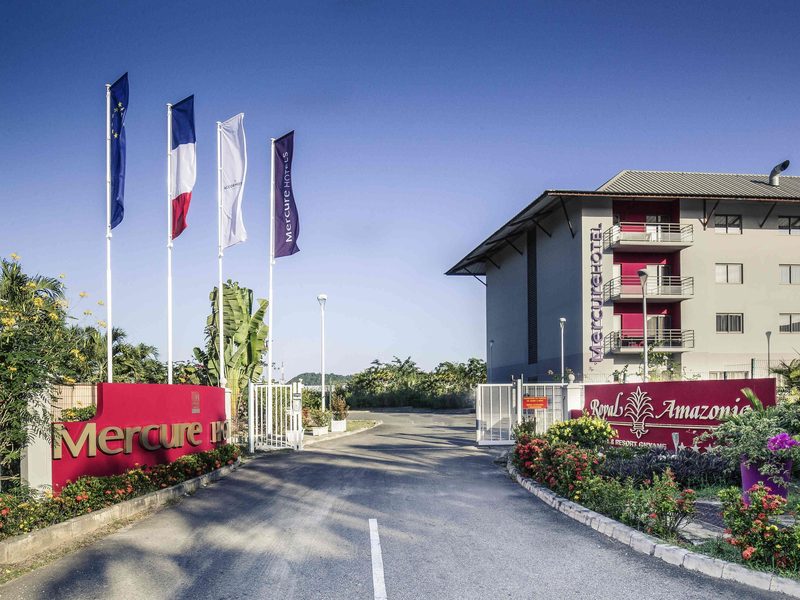
Where to Stay in Cayenne in September
Hand-picked hotels across price tiers for September travellers.
Packing Checklist
Bookmark this page — your progress is saved between visits
Need the full list with shopping links?
Climate-specific gear, brand recommendations, and what to leave at home.
View Cayenne Packing List →Essential Tips
Insider knowledge and common pitfalls to avoid
Insider Knowledge
Ti-punch is the social lubricant of French Guiana. Local protocol matters. It is rum agricole, a squeeze of fresh lime, and cane sugar. Mixed by the drinker, not the host. When someone hands you ingredients separately at a house or market stall, proportions are your business. Go heavy on lime and light on sugar the first time. The rum is stronger than Caribbean export bottles, typically 50% or above. September's heat amplifies its effect. Sip. Do not shoot.
Cayenne's restaurant scene runs on Creole time. Lunch service rarely starts before noon. Dinner almost never starts before 8 PM. The market at Place du Coq is the exception. It feeds early risers from 6 AM. If you eat on Northern European or North American schedules, recalibrate now. Spend your mornings hungry otherwise. The upside: kitchen-fresh food at 9 PM, served when the air has finally cooled enough to sit outside without dripping.
The road to Kourou (RN1) is the only major highway. It floods during the wet season but stays clear in September. Driving after dark anywhere outside Cayenne is risky. The roads are unlit. Local drivers move fast. Wildlife crossings are unmarked. September sunset is around 6:30 PM. Plan your return accordingly.
French Guiana uses the Euro. Prices broadly track mainland France with a tropical surcharge on anything imported. That means almost everything except fruit, fish, and rum. Your supermarket bill will surprise you. The market is where locals economize. Fresh fish straight off the boats at the quay. Produce from Hmong farms. Prepared meals costing a fraction of restaurant equivalents. Eating at the market is not budget concession. It is where the best food in Cayenne lives.
Avoid These Mistakes
Do not assume French Guiana resembles Caribbean islands. It does not. This is continental South America. Primary Amazonian rainforest. Rivers instead of resort beaches. A frontier atmosphere closer to the Brazilian interior than to Martinique. Travelers expecting white-sand coves and all-inclusive ease find themselves disoriented. Montjoly has beaches. They face brown Atlantic water, not turquoise shallows. The undertow is serious.
Do not underestimate travel distances and logistics. Cayenne is small. Anything outside the city, Kourou, Cacao, the Kaw marshes, requires a car or booked excursion. No rail network exists. Public bus service between towns is infrequent and unreliable. Renting a car is the practical default. Availability is limited. Booking on arrival often means walking away empty-handed. Reserve before you fly.
Do not skip antimalarial consultation. French Guiana has active malaria transmission in interior and forested areas. The Kaw marshes sit squarely in the risk zone. September's dry conditions reduce but do not eliminate the threat. A pre-travel consultation with a tropical medicine specialist is standard procedure for this destination. Pharmacies in Cayenne stock prophylaxis. Starting treatment after arrival means unprotected nights at peak mosquito hours.
Short on time? See day trips around Cayenne on GetYourGuide.
Ready to plan your trip to Cayenne?
Now that you've got the research covered, here's where to go next.
Explore More Activities in Cayenne
Didn't see anything interesting yet?
Browse Viator's full catalog of tours, day trips, food experiences, and private guides in Cayenne.
See All Cayenne Tours on Viator